
These filters are widely used in paint spray booths, automotive refinishing facilities, clean rooms, workshops, and controlled industrial spaces where clean air supply and surface quality are important. By ensuring clean, evenly filtered air from above, ceiling filters help improve finish quality, reduce contamination, and support a controlled working environment. Their dependable filtration performance and uniform airflow make them an essential component in professional air filtration and ventilation systems.
Air & Liquid Filters
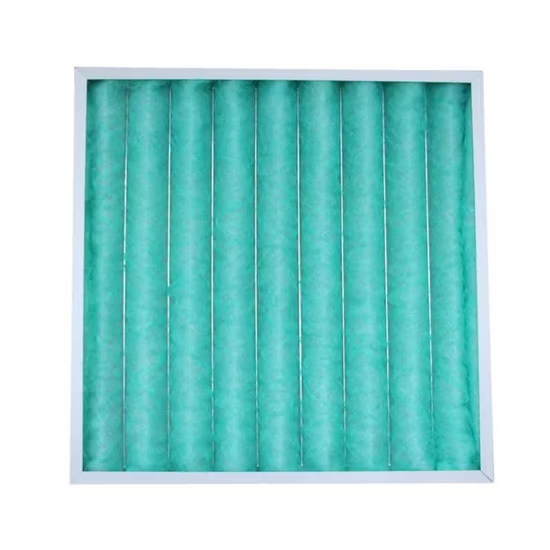
Glass Fiber Filter
A Glass Fiber Filter is a high-efficiency filtration material designed for capturing fine particles and contaminants from air or fluid streams. It is manufactured using ultra-fine glass fibers that are randomly layered and bonded to form a porous yet dense filter structure.
Glass fiber filters are known for their high dust-holding capacity and strong thermal and chemical resistance. The inert nature of glass fibers allows the filter to perform reliably in environments involving elevated temperatures, humidity, and exposure to various chemicals without degradation. The uniform fiber distribution helps achieve efficient filtration across a wide particle size range, while the rigid structure maintains dimensional stability during operation. These filters are widely used in HVAC systems, clean rooms, laboratories, pharmaceutical facilities, electronics manufacturing, and industrial air filtration units. Glass fiber filters are also applied in specialized filtration processes where precision and reliability are essential.
Ceiling Filter
Ceiling Filter is a specialized air filtration component designed to supply clean, evenly distributed air from the ceiling in controlled environments. It is typically manufactured using high-quality filter media such as synthetic fibers, glass fiber, or a combination of multi-layer nonwoven materials, supported by a rigid frame. The filter is designed to capture airborne dust, fine particles, and contaminants while allowing uniform airflow across the entire surface area.
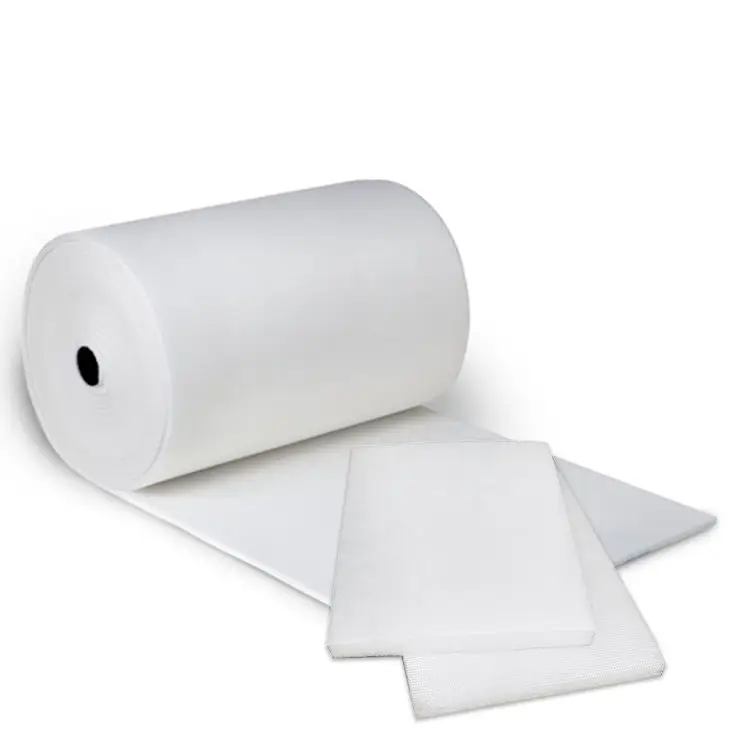
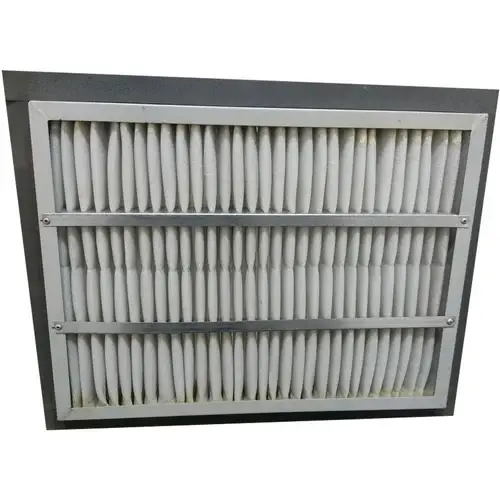
Air Pre Filter
In ventilation and air handling systems, the first line of defense against airborne contamination is the Air Pre Filter, which is designed to remove larger dust particles before they reach fine or high-efficiency filters
By reducing the dust load at the initial stage, air pre filters help prevent premature clogging of secondary filters and protect fans, coils, and internal components of HVAC systems. The filter structure offers low pressure drop and good dust-holding capacity, which contributes to energy efficiency and extended service intervals. The media retains its shape and performance under continuous airflow, ensuring consistent filtration without collapse or fiber shedding.
Air pre filters are widely installed in air handling units, commercial HVAC systems, industrial plants, hospitals, clean room support areas, and manufacturing facilities. Their role in improving indoor air quality, reducing maintenance costs, and enhancing overall filtration system efficiency makes them an essential component in multi-stage air filtration designs.
Pocket Pre Filter For Spray Booths G3-G4
The Pocket Pre Filter for Spray Booths (G3–G4) is designed as a primary filtration stage that captures coarse dust, overspray particles, and airborne contaminants before the air reaches fine or ceiling filters. It is constructed using multi-layer synthetic nonwoven filter media formed into deep pockets, which significantly increases the effective filtration surface area.
The pocket design allows the filter to handle high airflow volumes while maintaining a low and stable pressure drop throughout its service life. The G3–G4 filtration class is suitable for trapping larger particles efficiently, helping to protect downstream filters from premature loading. The synthetic media offers good mechanical strength, moisture resistance, and dimensional stability, ensuring consistent performance under continuous airflow conditions commonly found in spray booths and paint shop environments.
Pocket pre filters in G3–G4 grade are widely used in automotive spray booths, industrial painting lines, and surface coating facilities.
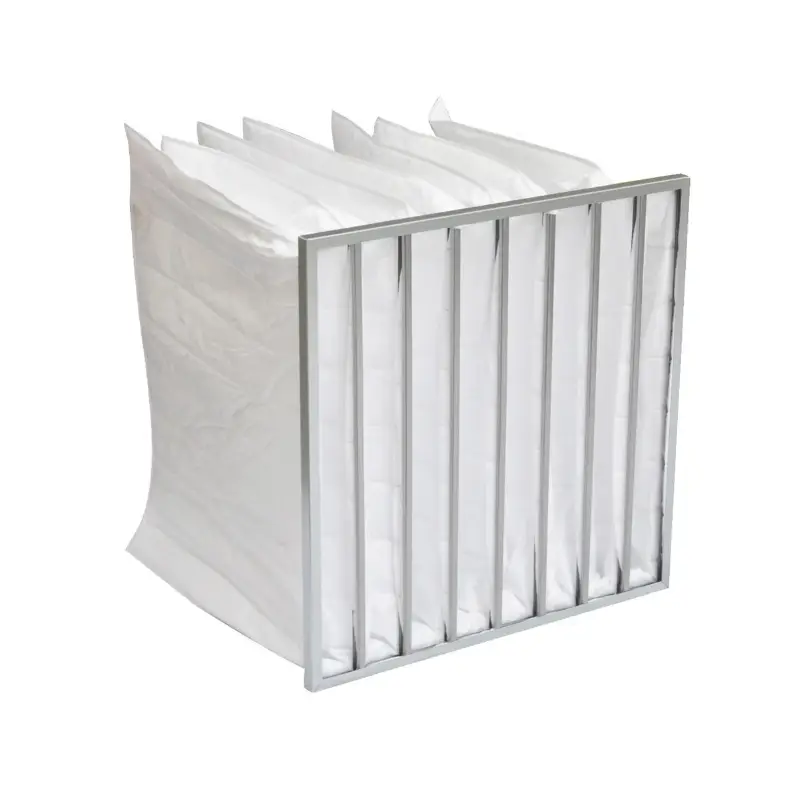
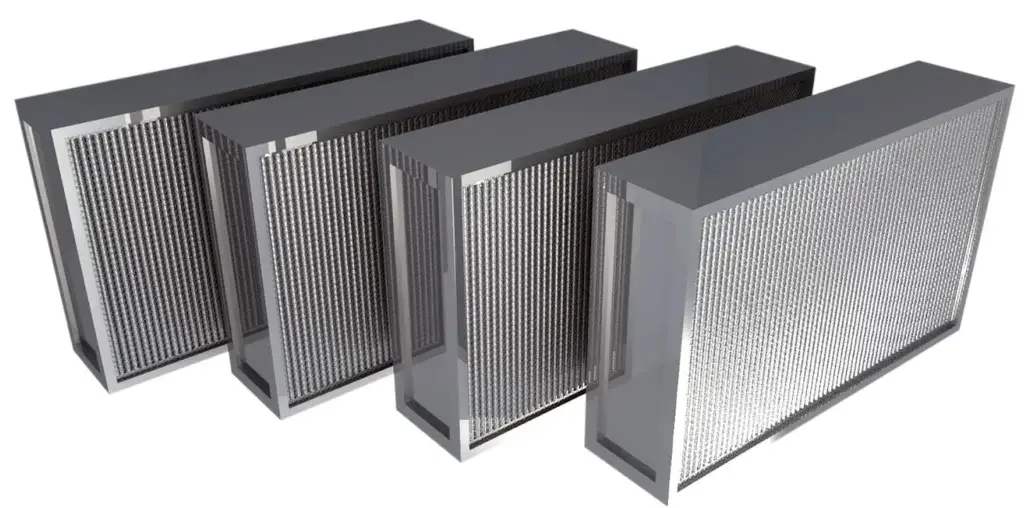
Hepa Filter
Used wherever air purity is non-negotiable, a HEPA Filter is designed to remove extremely fine airborne particles that cannot be captured by conventional filters. The filter media is manufactured from ultra-fine glass fiber sheets arranged in a dense, pleated structure, which creates a complex airflow path capable of trapping microscopic contaminants through diffusion, interception, and inertial impaction mechanisms.
HEPA filters are widely installed in clean rooms, pharmaceutical manufacturing units, hospitals, laboratories, electronics production facilities, paint spray booths, and critical HVAC systems. Their role is essential in protecting sensitive processes, equipment, and human health by maintaining controlled air quality. Because of their proven efficiency and dependable performance, HEPA filters are a standard choice for high-level air filtration in industrial and controlled environments.
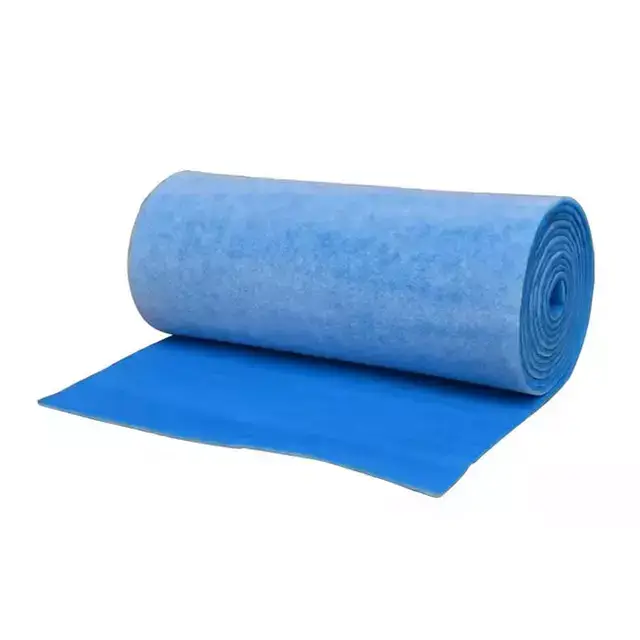
Primary Filter (Blue/White)
At the initial stage of air filtration systems, the Primary Filter (Blue / White) is used to intercept large airborne particles before they enter more sensitive filtration stages. This filter is typically manufactured from synthetic nonwoven fiber media, where the blue and white layers indicate progressive density designed to improve dust capture efficiency. The structure allows coarse particles such as dust, lint, and fibers to be trapped effectively while maintaining smooth and consistent airflow.
Primary filters in blue and white configuration are commonly used in air handling units, commercial buildings, industrial plants, spray booth pre-filtration stages, and general ventilation systems. By reducing the dust load at the first filtration level, these filters help extend the service life of secondary and high-efficiency filters, improve system efficiency, and contribute to cleaner air circulation in both industrial and commercial environments.
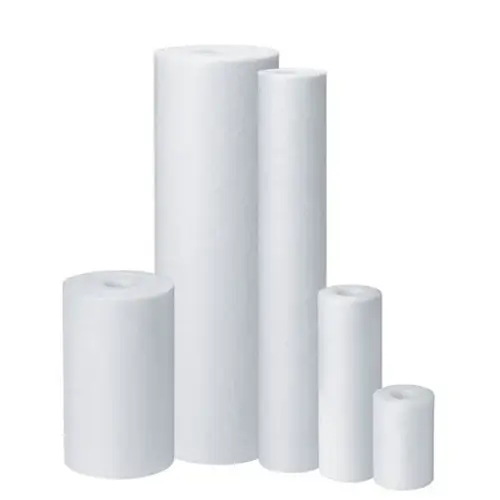
Spunbond Cartridges
Spunbond Cartridges are manufactured using thermally bonded polyester spunbond media formed into a pleated cylindrical structure. The spunbond process creates a strong, non-fraying filter material with uniform fiber distribution, allowing the cartridge to withstand repeated cleaning cycles without structural damage
The pleated construction increases the effective filtration surface area, enabling high airflow handling while maintaining a relatively low pressure drop. Spunbond polyester media offers good resistance to moisture, chemicals, and abrasion, ensuring stable performance in demanding operating conditions. The rigid cartridge design provides dimensional stability, preventing collapse during continuous operation or pulse-cleaning processes commonly used in industrial dust collection systems.
Spunbond cartridges are widely used in dust collectors, industrial ventilation systems, powder handling units, woodworking facilities, cement plants, and metal processing industries.
Bag Filter
In industrial air handling and ventilation systems, Bag Filters are used when higher dust-holding capacity and extended service life are required compared to flat filters. These filters are constructed using multiple sewn or welded filter pockets made from synthetic nonwoven media or glass fiber material, supported by a rigid header frame. The pocketed design creates a large effective filtration area, allowing the filter to process high air volumes efficiently.
Bag filters are commonly installed in air handling units, HVAC systems, industrial ventilation setups, clean room pre-filtration stages, and paint spray booths. They play a critical role in protecting downstream fine and HEPA filters from excessive dust accumulation, thereby extending system life and improving overall air quality. Due to their efficiency, durability, and cost-effective operation, bag filters are a standard choice in multi-stage air filtration systems across commercial and industrial environments.
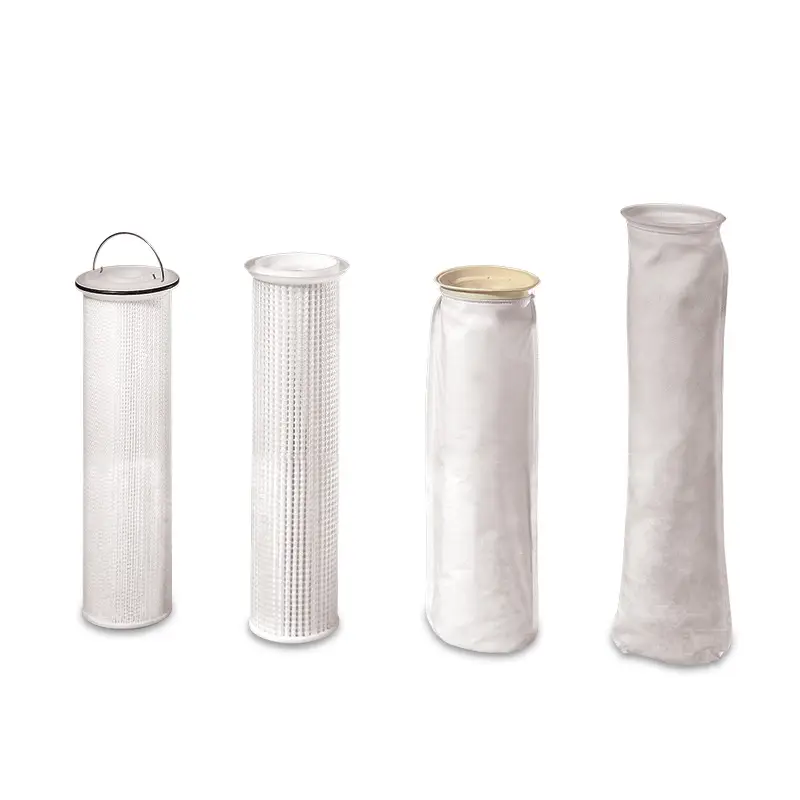
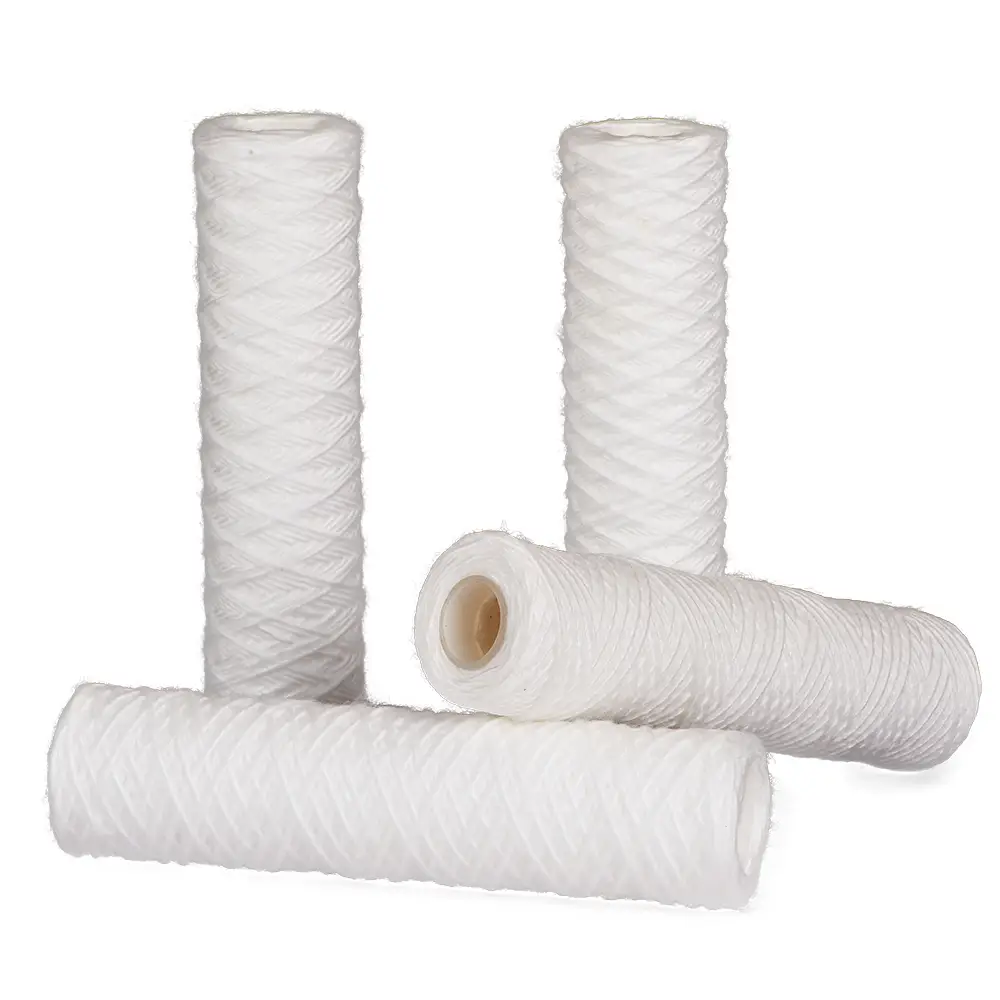
Wound Filter Cartridges
For liquid filtration processes that require controlled particle retention and high dirt-holding capacity, Wound Filter Cartridges are widely used as a dependable filtration solution. These cartridges are manufactured by precisely winding continuous yarn—typically polypropylene, cotton, or glass fiber—around a rigid perforated core.
Wound filter cartridges are commonly used in water treatment systems, chemical processing, pharmaceuticals, food and beverage industries, plating lines, and industrial process filtration. They are suitable for applications involving removal of sediment, rust, suspended solids, and particulate contaminants from liquids. Due to their consistent filtration performance, reliable construction, and cost-effective operation, wound filter cartridges remain a trusted choice for industrial and commercial liquid filtration applications.
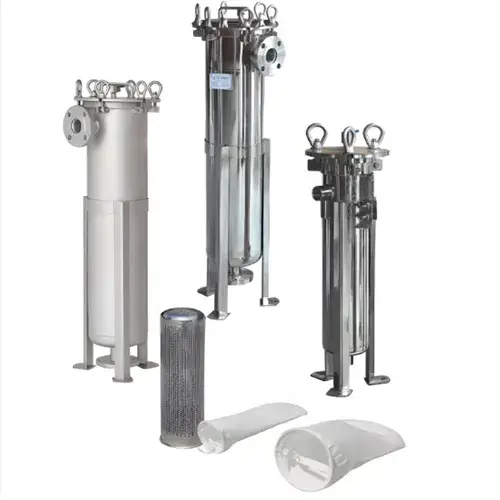
Filter Housing
Serving as the structural backbone of a filtration system, a Filter Housing is designed to securely contain filter elements and direct the flow of air or liquid through the filtration media in a controlled manner. It is typically fabricated from materials such as carbon steel, stainless steel, aluminium, or high-strength engineering plastics, selected based on operating pressure, temperature, and chemical compatibility requirements. The housing ensures proper sealing and alignment of the filter, preventing bypass and ensuring that all fluid or air passes through the intended filtration path.
The design of a filter housing focuses on strength, leak-free operation, and ease of maintenance. It is engineered to withstand system pressure while providing uniform flow distribution across the filter element, which helps maintain consistent filtration efficiency and minimizes pressure drop. Secure locking mechanisms, gaskets, and sealing arrangements are incorporated to ensure safe operation, while user-friendly designs allow quick opening for filter inspection, replacement, or cleaning without damaging the filter media. Filter housings are widely used in HVAC systems, industrial air filtration units, water treatment plants, chemical processing, pharmaceuticals, food and beverage production, and general process filtration applications. By protecting the filter element and ensuring stable operating conditions, a properly designed filter housing plays a critical role in overall system reliability, filtration performance, and long service life.
Filter Paper Roll
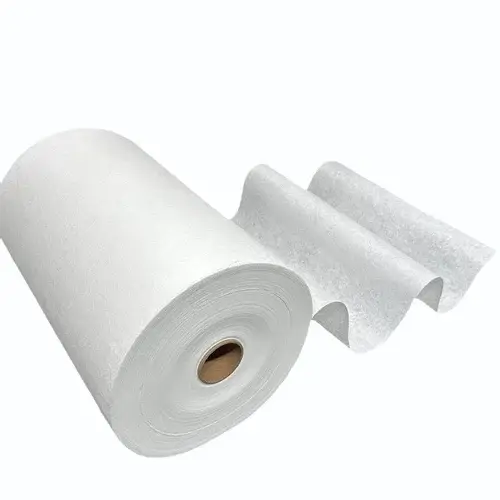
Filter Paper Rolls are used as a consumable filtration medium where consistent flow and uniform particle retention are required. The paper is manufactured from carefully selected cellulose fibers or blended natural and synthetic fibers, processed to achieve controlled porosity, thickness, and permeability.
The structure of filter paper rolls enables effective separation of suspended solids from liquids or air, depending on the application. The uniform fiber distribution ensures even filtration across the entire surface, while the roll format supports uninterrupted operation in automated or semi-automated filtration systems. Filter paper is designed to maintain wet strength and dimensional stability during use, preventing tearing or collapse under operating conditions.